Water Damage Restoration in Colonial Heights, From Extraction to Rebuild
When a supply line bursts, a storm pushes water into the crawl space or a drain backs up, we pull the water out, dry the structure to measured targets, treat mold and sewage contamination, and put your home back together. We work across Colonial Heights, Petersburg, Chester and Hopewell.
- Free on-site inspections
- Moisture readings, not guesses
- Photos for your insurer
- Extraction through rebuild
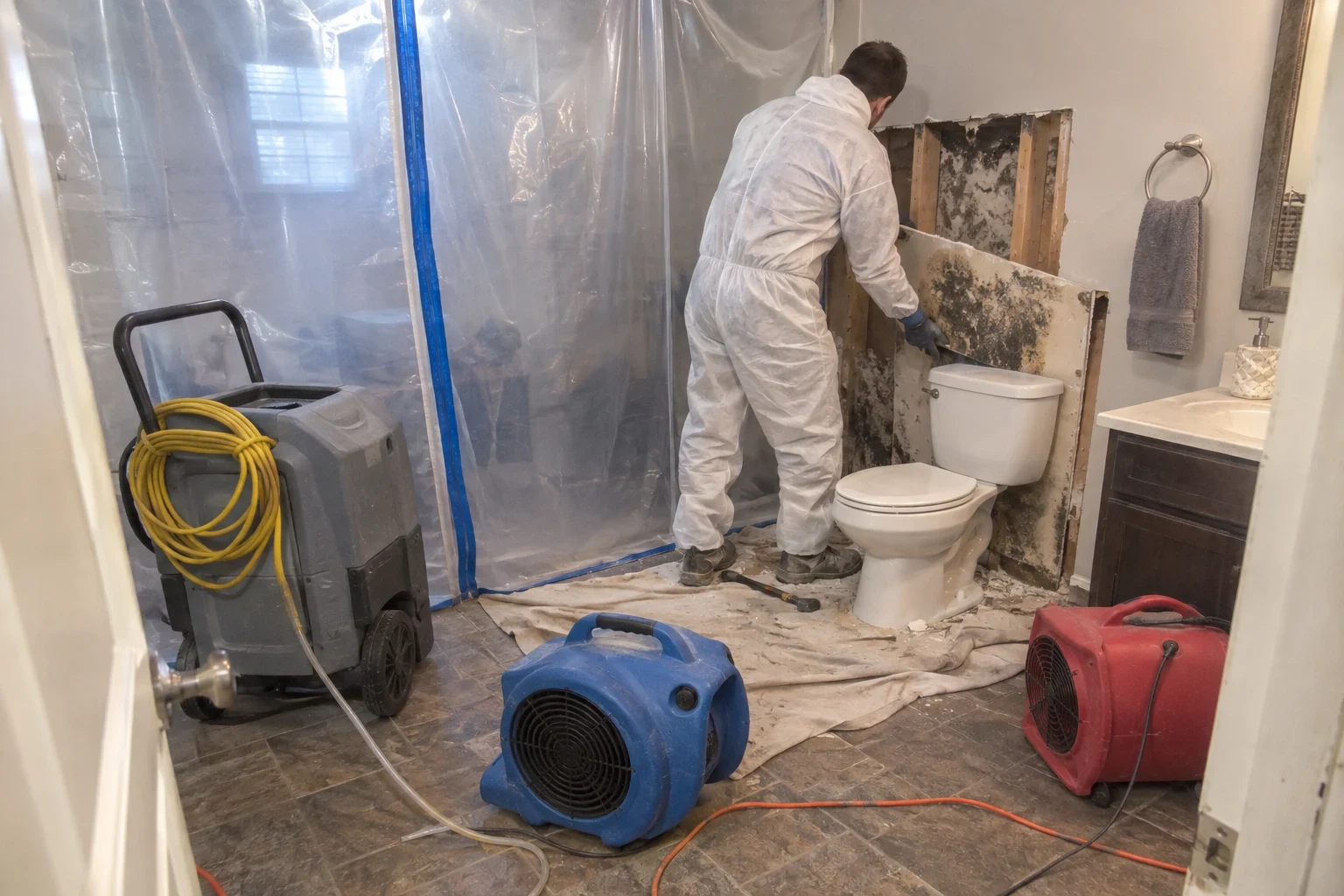
Water Damage Services for Your Home
Most water losses need more than one kind of work. Water extraction removes what is standing, drying and dehumidifying pulls out what has soaked into drywall, subfloor and framing, and repairs and rebuild replaces what could not be saved. When the water is dirty or has been sitting, we add sewage cleanup or mold remediation, and after heavy rain we handle full flood cleanup.
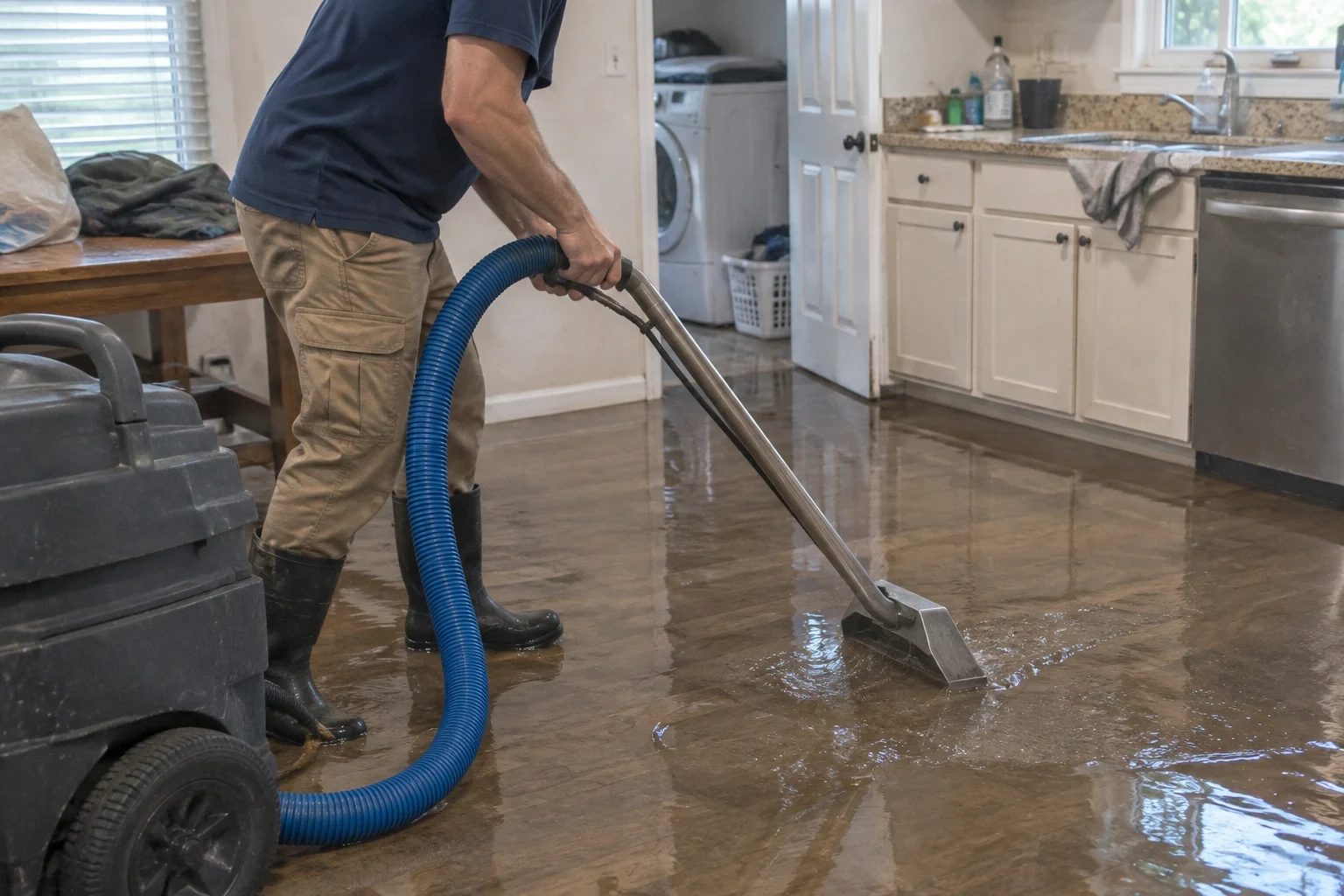
Water Extraction
We remove standing and soaked-in water from floors, pad and crawl spaces, then use moisture meters to find where it spread before drying starts.
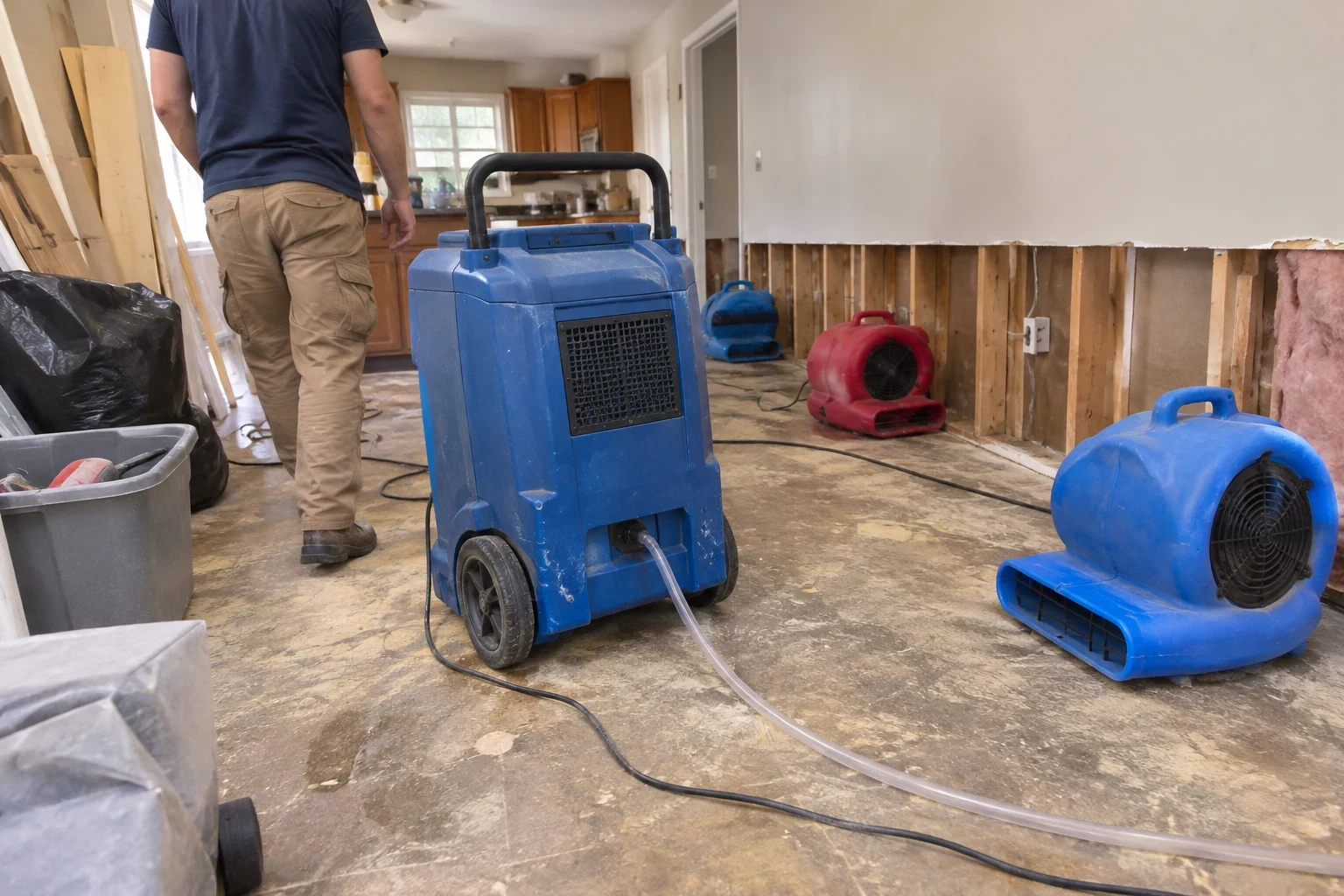
Drying and Dehumidifying
We pull trapped moisture out of drywall, framing, subfloors and crawl spaces, then confirm the result with daily meter readings.
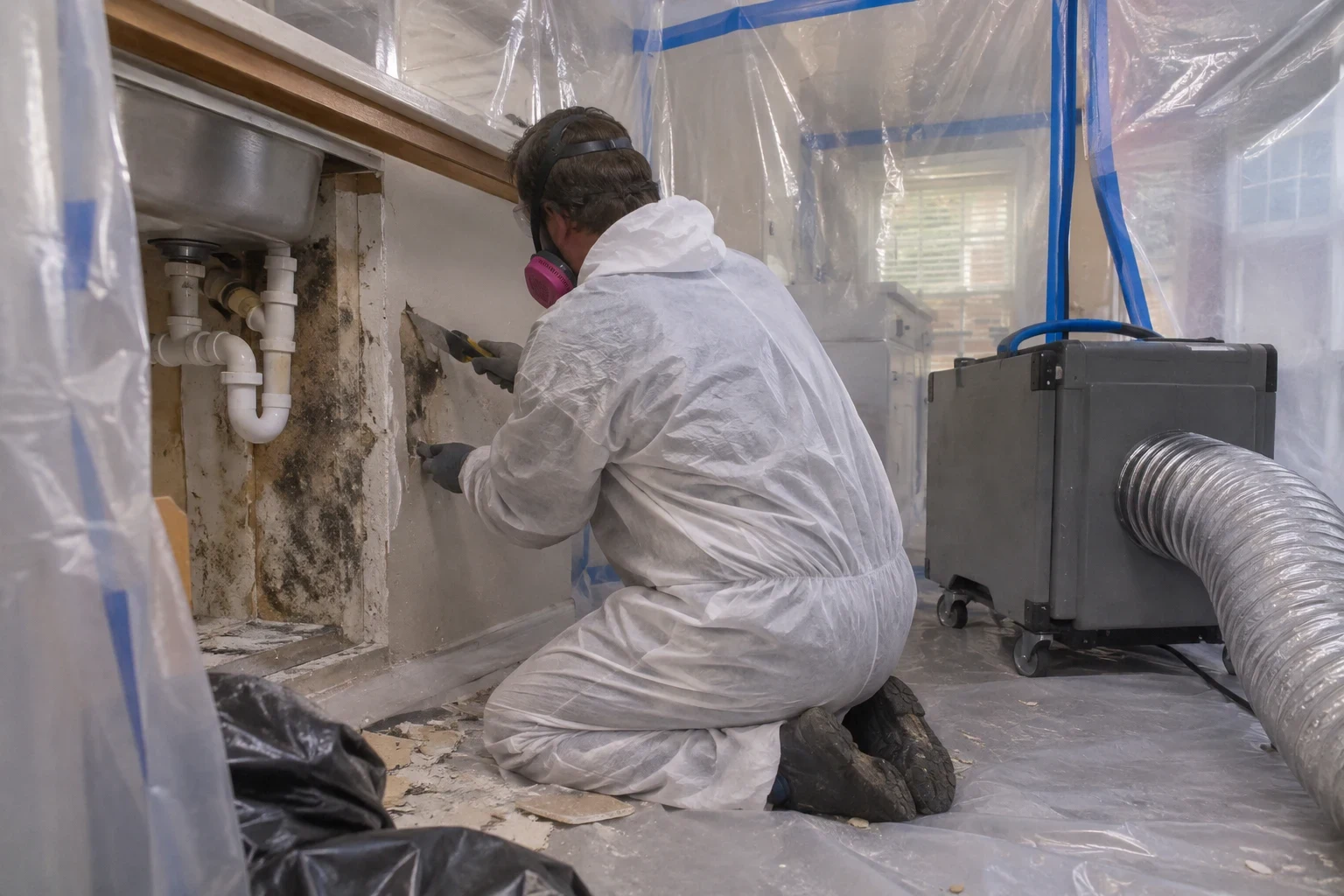
Mold Remediation
Contained mold removal that cuts out damaged drywall and insulation, cleans framing and stops the moisture so growth does not return.
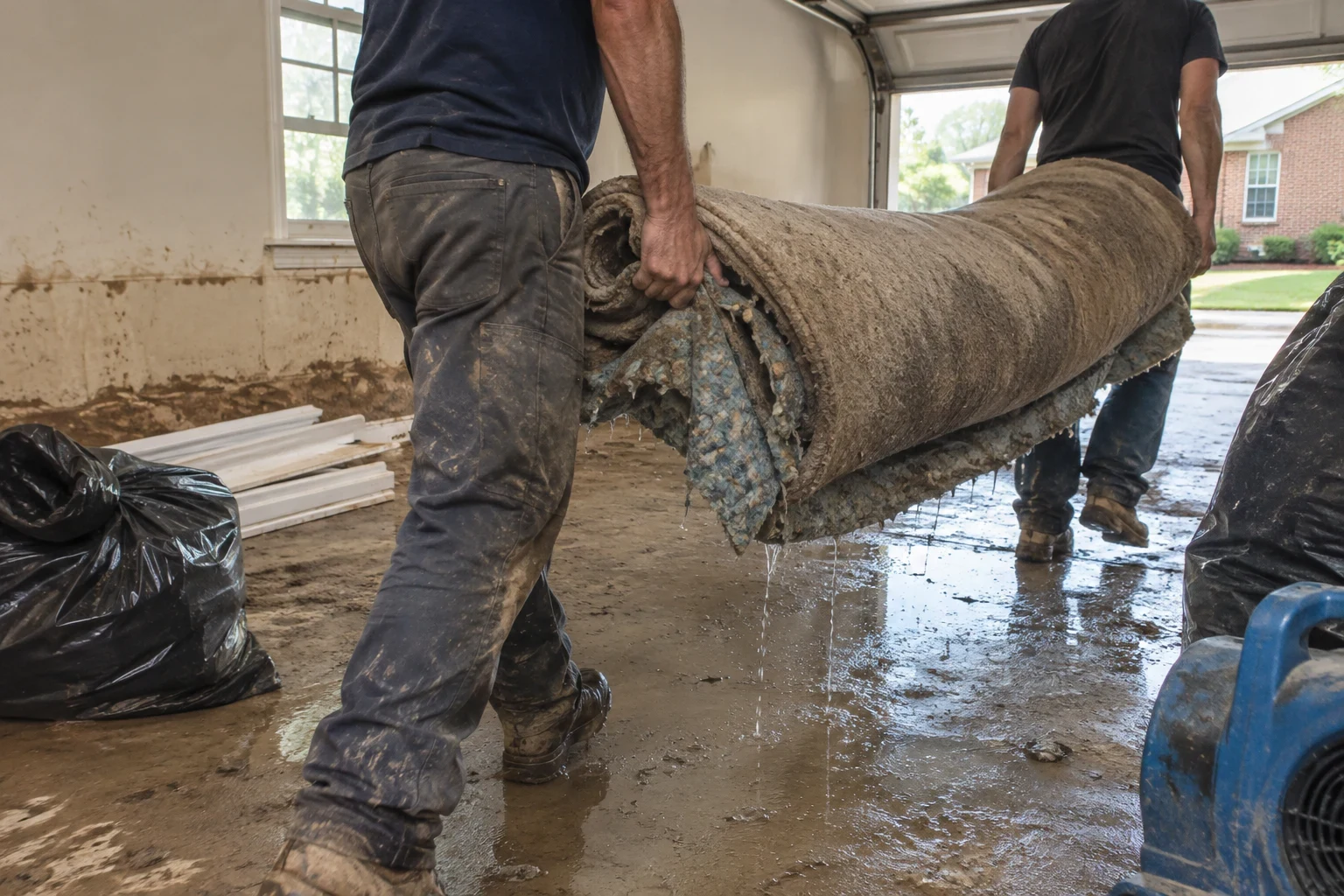
Flood Cleanup
Removal of floodwater, silt and soaked materials, then sanitizing and drying the structure so rebuilding starts on clean, dry framing.
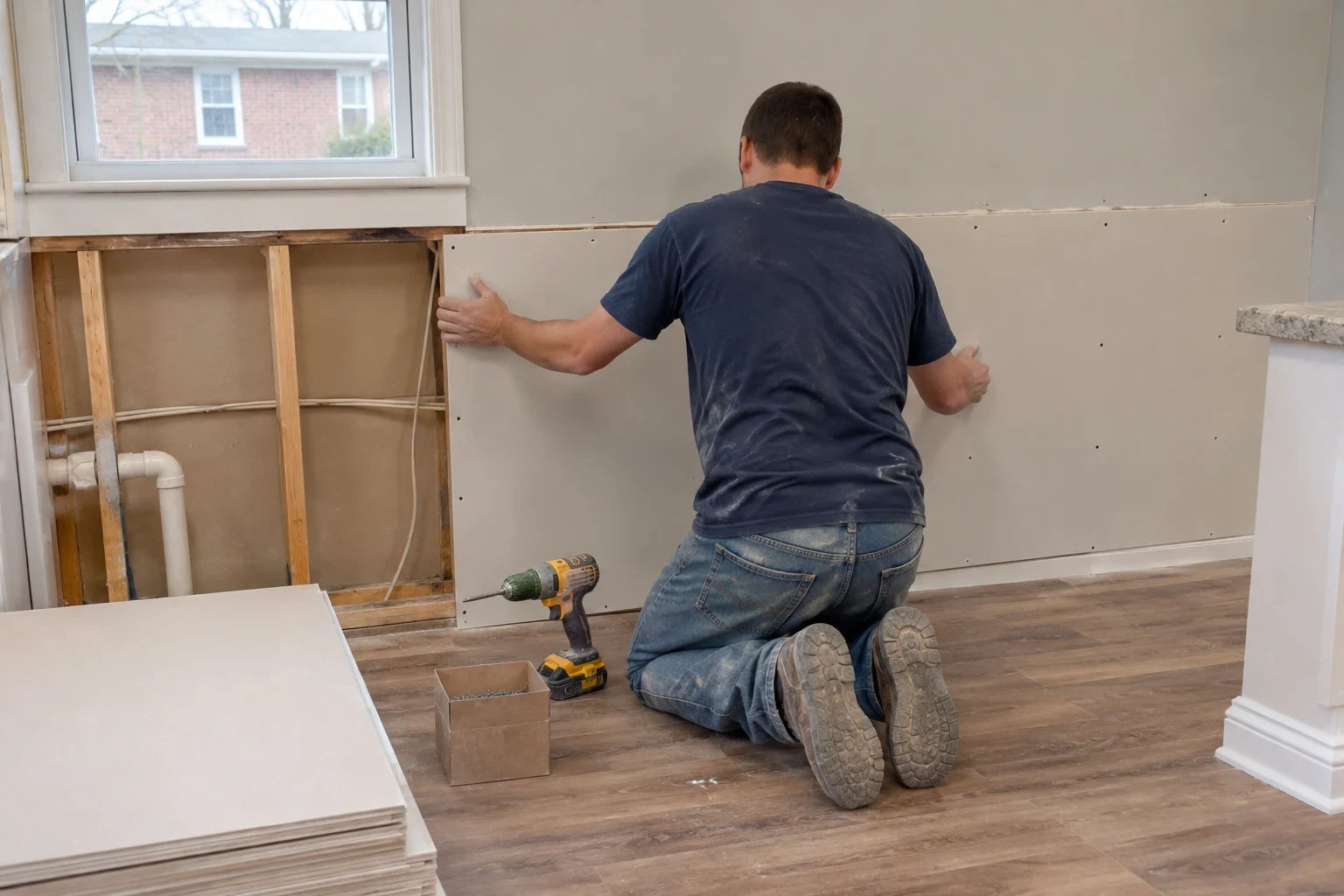
Repairs and Rebuild
We replace the drywall, subfloor, cabinets and trim that water ruined, built back on dry framing and matched to the rest of your home.
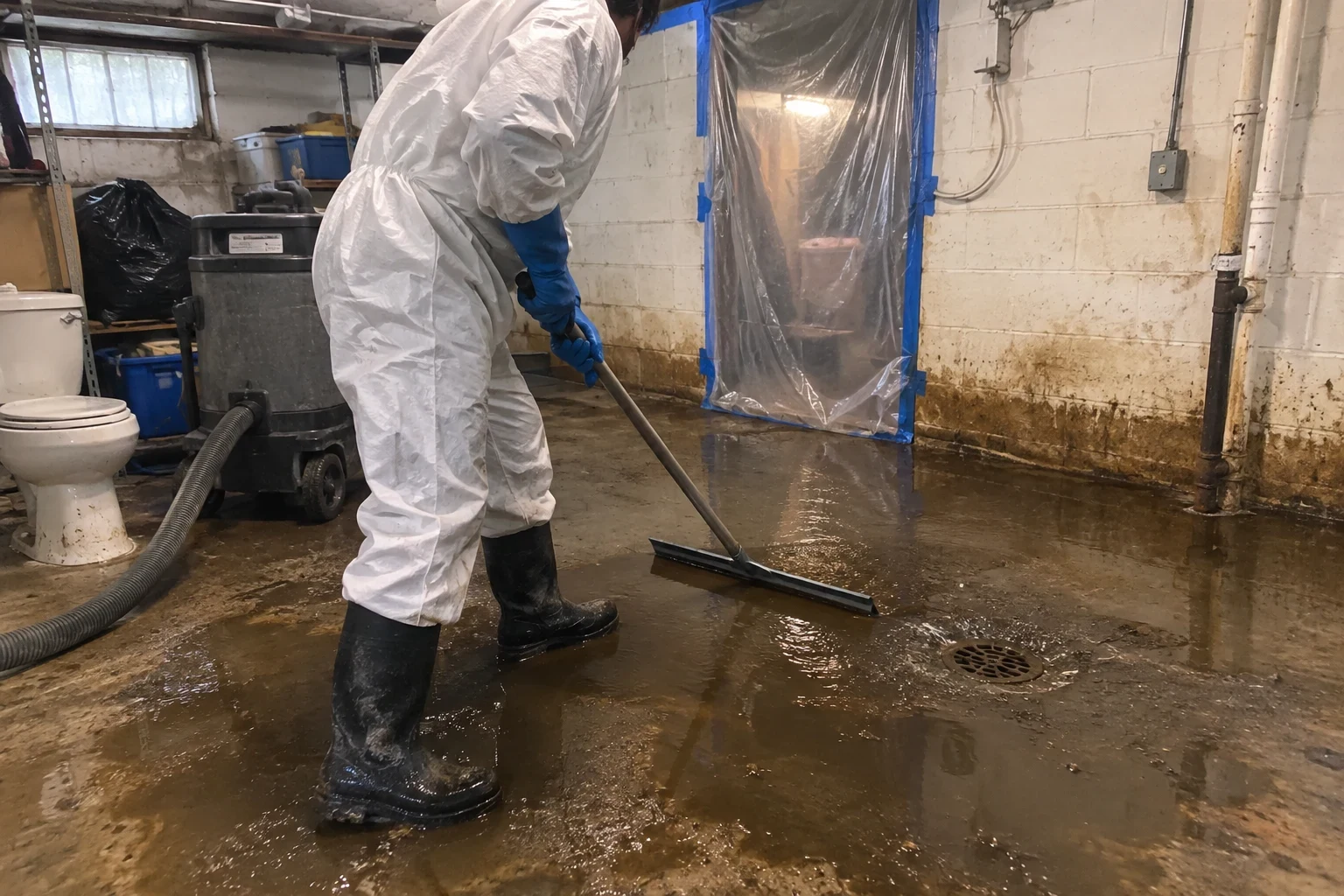
Sewage Cleanup
Removal of sewage backups, contaminated flooring and drywall, followed by disinfection and moisture-verified drying.
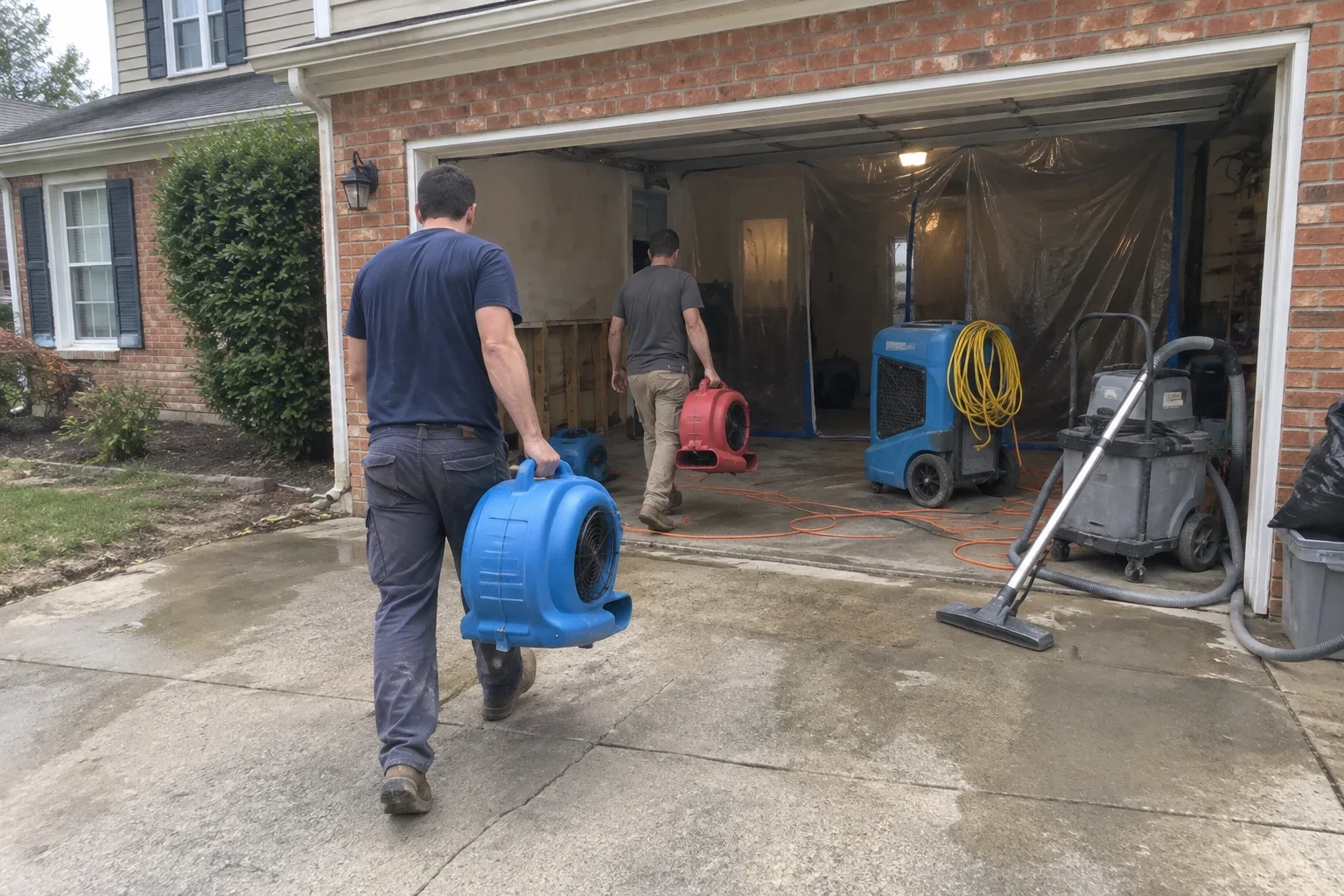
A Local Restoration Crew
Water Damage Restoration Colonial Heights works inside homes across the city and the towns around it. We see the same patterns again and again: a failed water heater in a garage closet, an ice maker line that leaked under a kitchen floor, a crawl space that took on water after a long stretch of summer storms.
Our approach is simple. We find all of the water, explain what it did to your home, dry it with the right equipment and prove it is dry with numbers before we close the walls. When something has to be replaced, we tell you why and show you the reading that made the call.
- Certifications
- IICRC certified
Why Homeowners Call Us First
Water damage is mostly invisible once the puddles are gone. How we find it and how we prove it is dry is what separates a finished job from one that turns into mold a month later.
- 01
IICRC certified technicians
Our work follows IICRC training for water damage restoration. That means classifying the water by category before we touch it, setting drying equipment by the size and wetness of the room, and documenting readings until the materials hit their dry standard.
- 02
We measure before we tear out
Pin and pinless moisture meters and a thermal camera show how far water wicked up the drywall and under the flooring. We cut out only what the readings say is lost, so you are not paying to replace dry walls.
- 03
We know how these houses are built
A lot of homes around here sit on vented crawl spaces with wood joists and plywood or plank subfloors. We know where water hides in that setup, and we dry the crawl space instead of only the rooms above it.
- 04
Insurance paperwork that holds up
We work with most major insurance companies. We photograph damage, log daily moisture readings and write line-item scopes your adjuster can follow. We explain the claim process, but the coverage decision stays with your insurer.
- 05
One crew from water to walls
The people who dry your home are the same people who rebuild it. Nothing gets lost in a handoff, and the rebuild starts from the dry readings we already recorded.
What Sets the Price of Water Damage Work
Every loss gets its own scope, since water soaks into different materials and sits for different lengths of time from one house to the next. The factors below change the scope more than anything else. We go over each one with you on site before work begins.
Your free on-site inspection ends with a written, line-item estimate built from what the meters showed. If opening a wall changes the scope, you see the photos and readings before anything gets added.
- Category of water
- A broken supply line releases clean, Category 1 water. Discharge from a washing machine or dishwasher counts as Category 2. Sewage and floodwater coming in from outside are Category 3, so porous materials such as carpet pad and drywall have to be removed rather than dried where they are.
- How long it sat
- When water is found within the first day, materials often dry in place. Give clean water two or three days and it can slip to a dirtier category, and in warm, humid weather mold can start on wood and paper-faced drywall.
- Materials that got wet
- Tile and vinyl plank can often be lifted and dried. Solid hardwood may cup and need several days under floor drying mats. Plaster, insulation and particleboard subfloors all react differently, and some are finished once they soak through.
- Square footage and access
- A larger wet area calls for more air movers and dehumidifiers running for more days. Cramped crawl spaces and finished basements add labor, both to get in and to dry them out.
- Rebuild and permits
- When walls, cabinets or flooring get replaced, your material choices and the effort of matching existing finishes shape the cost. Changes to structure, wiring or plumbing can require a building permit and inspection, and we pull those when the job calls for it.
Where Our Crews Work
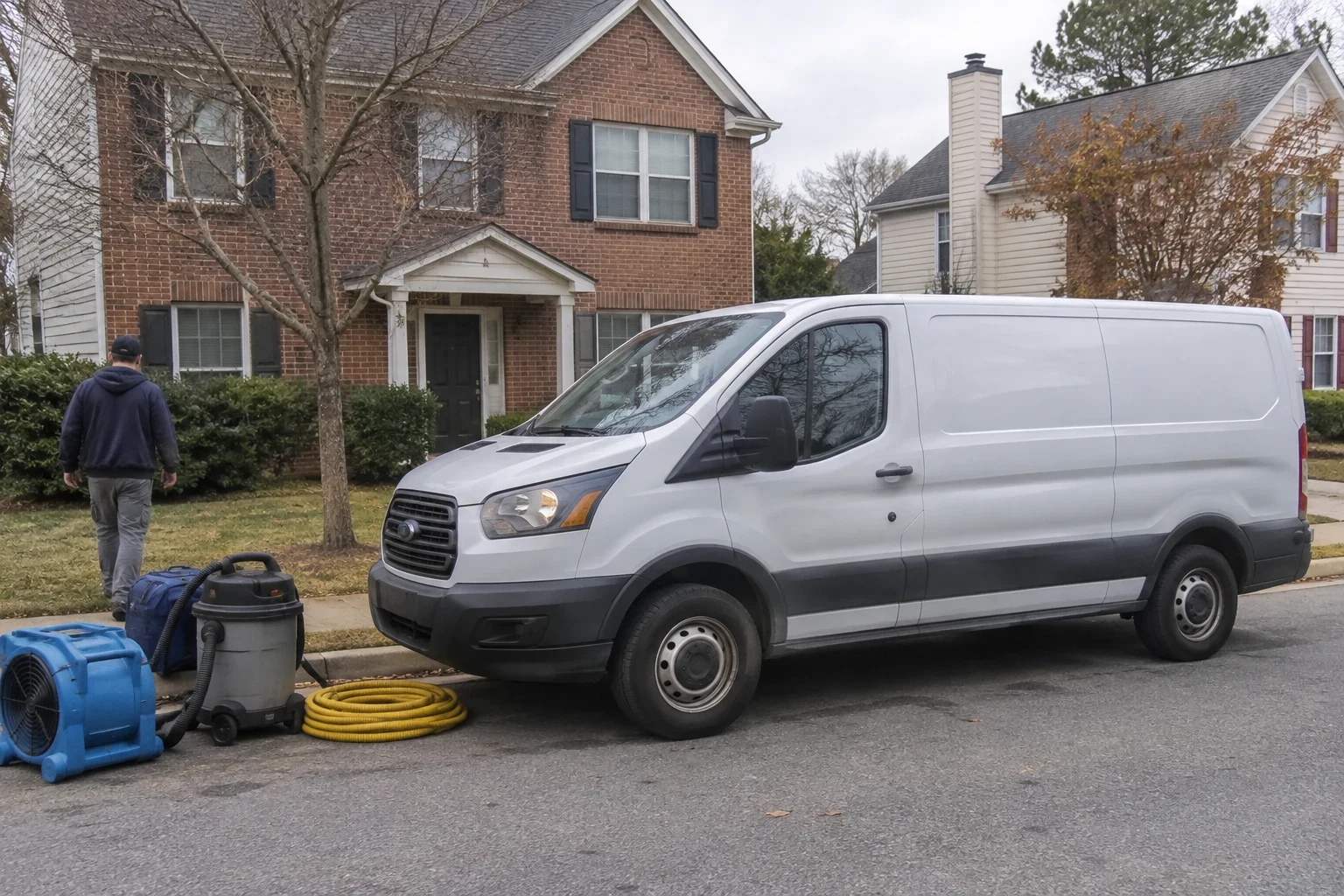
Our trucks run out of Colonial Heights and cover the towns around it, including Petersburg, Hopewell, Fort Lee, Ettrick and Chester. We also send crews to Enon, Meadowbrook, Bellwood, Bensley and Manchester. Wherever you are in that range, the commitment stays the same: On site in 60 mins or less.
- Colonial Heights
- Petersburg
- Hopewell
- Fort Lee
- Ettrick
- Chester
- Enon
- Meadowbrook
- Bellwood
- Bensley
- Manchester
Not sure your street falls inside our coverage? Ask on the phone and we will give you a straight answer.
Answers Before You Pick Up the Phone
Something not covered here? (804) 374-8594
Once I call, how long until someone is at my door?
We aim to be On site in 60 mins or less. The crew's first jobs on arrival are shutting down the source and getting extractors running, because standing water keeps wicking into drywall and subfloor for as long as it sits.
Is this something my homeowners policy pays for?
Most policies cover sudden, accidental losses like a split pipe or a failed supply line. Slow leaks and rising water from outside are often handled under separate terms. We work with most major insurance companies and provide the photos, daily moisture logs and line-item scope an adjuster typically wants. Your insurer makes the coverage call, and we can help you sort through what they ask for.
How many days will the equipment be running?
A typical room reaches its dry standard in three to five days. Plaster walls, hardwood flooring and heavy framing can stretch that out. We stop when the meter readings match unaffected areas of your home, not when the calendar says so.
Will the drywall need to come out?
It depends on the water. Clean water found early can often be dried inside the wall by venting the cavity. Sewage, floodwater or water that sat for days means cutting the drywall above the wet line, since porous board cannot be reliably cleaned.
When does mold become a risk after a leak?
On damp drywall paper and wood, growth can start within 24 to 48 hours when it is warm and humid. Quick extraction and drying are the best prevention. If growth has already started, our mold remediation work seals off the area, removes it and dries the space so it stays gone.
Do I have to move out while you work?
Most families stay put. Air movers and dehumidifiers are noisy and run day and night, so we set them up to leave a bedroom and the kitchen usable where we can. For sewage or heavy mold, we may advise keeping clear of the affected rooms until cleanup is finished.
Is there a chance my wood floors can be kept?
A good chance, if drying begins fast. Drying mats draw moisture out of the boards and the subfloor beneath, and light cupping often settles back as the wood dries. Floors that have crowned or buckled hard, or that sat in contaminated water, usually have to be replaced.
How a Water Damage Job Runs
The first few hours decide how much gets saved, and the paperwork decides how smoothly your claim goes. This is the order we follow.
- 1
Stop the source and inspect
We help you shut off the water or isolate the problem, then map moisture room by room with meters and a thermal camera. You get photos, the water category and a plain explanation of what is wet.
- 2
Extract standing water
Truck-mounted or portable extractors pull water out of carpet, pad and floors. Removing liquid water is far faster than evaporating it, so this step shortens every day that follows.
- 3
Remove what cannot be saved
For contaminated water or materials past saving, we make flood cuts in drywall above the wet line and pull wet pad, insulation and baseboard. We apply antimicrobial to exposed framing.
- 4
Dry to a measured standard
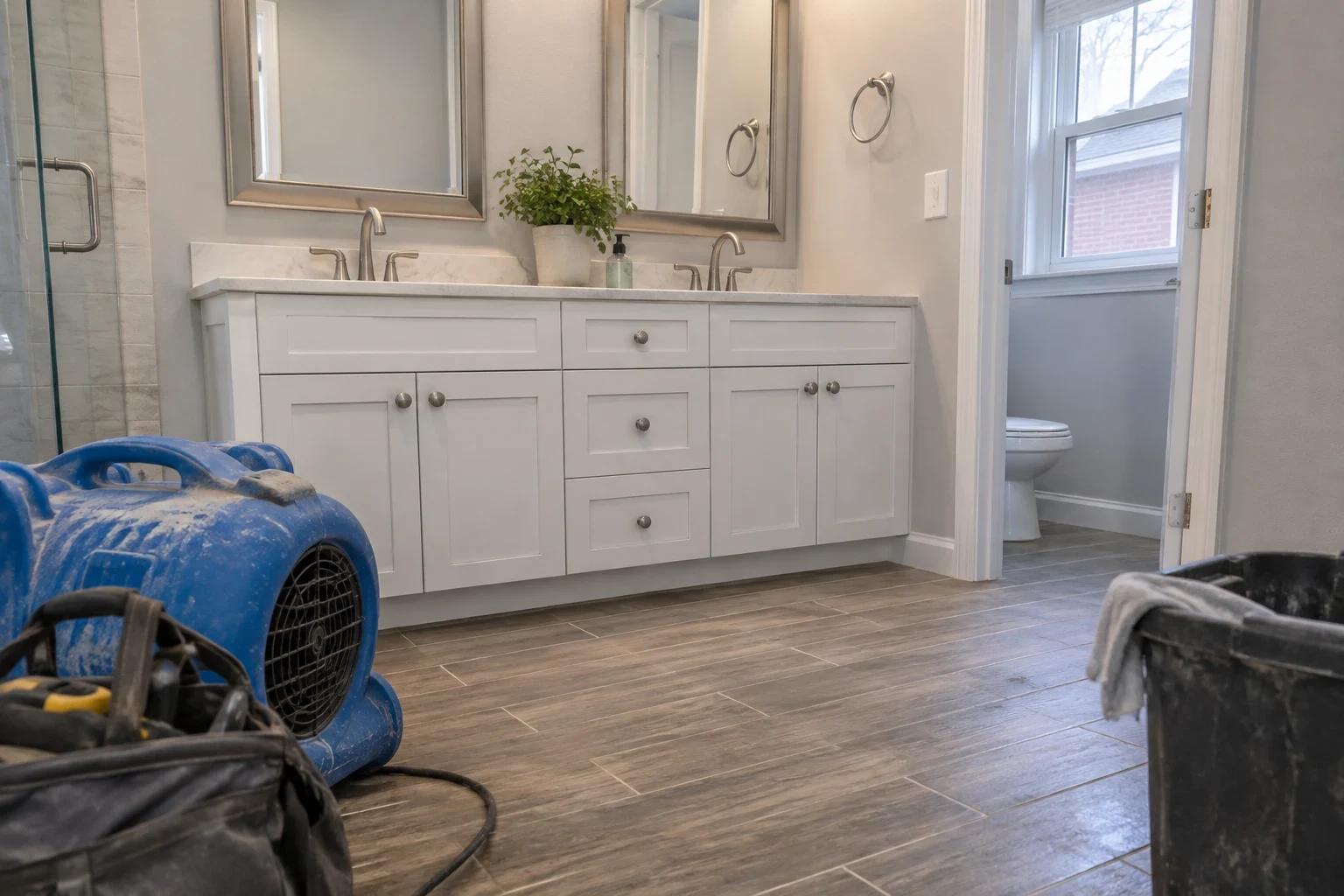
We set air movers alongside low-grain refrigerant dehumidifiers and leave them running until readings in the joists, studs and subfloor line up with dry reference spots elsewhere in your home. Each visit we take new readings and log them, and most jobs finish in three to five days.
- 5
Repair and rebuild
Once materials are verified dry, we replace drywall, insulation, trim, flooring and cabinets, then paint and clean so the rooms are ready to use.
Dealing With a Leak or Flood Today?
If it is safe, close the main shutoff and stay away from outlets near wet floors. Then let us take it from there: we will measure the damage, walk you through what we find and set out the plan before any work starts.